

Understanding pleural effusions
Pleural effusions happen when too much fluid builds up in the space around the lungs. This extra fluid can press on the lungs and weigh down the diaphragm, making it hard to take a full breath.1,2
Pleural effusions can happen in people with cancer, heart or kidney failure, liver disease, or inflammatory conditions.1,2

Pleural effusions can cause1,2
- Shortness of breath
- Chest tightness or pressure
- Sharp pain when breathing in
- Persistent cough
- Fatigue
A vicious cycle

- Breathlessness
- Chest tightness
- Medical visit
- Fluid drainage
Hear how ACES® has made breathing easier for people living with recurrent pleural effusions
Freedom from painful, repeat procedures
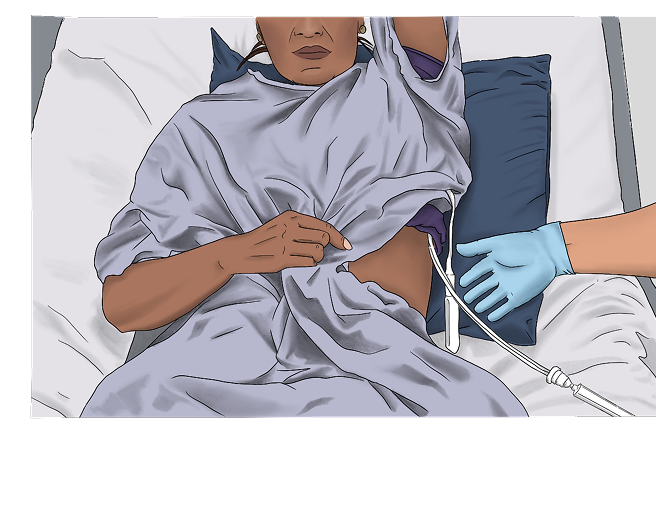
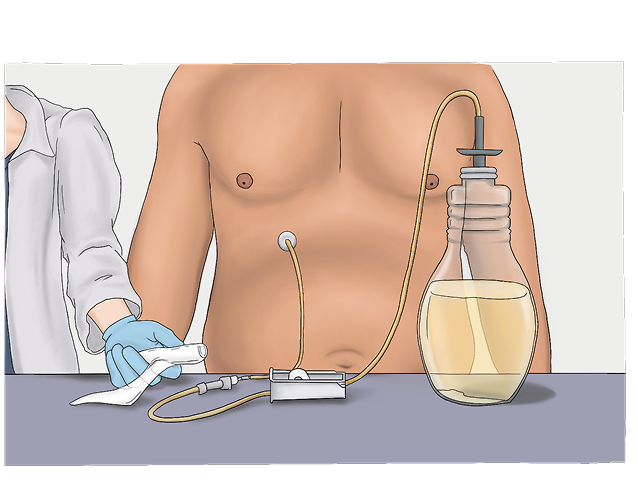
Indwelling pleural catheters (IPCs) are tubes placed in the chest with a small opening that stays outside the body so fluid can be drained at home.2,4
IPCs require frequent drainage using vacuum bottles and often needs support from home healthcare. It can also increase the risk of infection.2,4,5
Learn why ACES may be a better choice for managing pleural effusions
References: 1. Shen-Wagner J, Gamble C, MacGilvray P. Pleural Effusion: Diagnostic Approach in Adults. Am Fam Physician. 2023 Nov;108(5):464-475. 2. American Thoracic Society. Indwelling tunneled pleural catheters (patient education information sheet). ATS Patient Information Series. 2019. Accessed December 8, 2025. https://craftprd1.blob.core.windows.net/documents/advocacy-patients/patient-resources/indwelling-tunneled-pleural-catheters.pdf craftprd1.blob.core.windows.net 3. Wright MJ, Nguyen PH, Backer ED, Goitein L, Feller-Kopman DJ. Recurrent malignant pleural effusion management: evaluating quality gaps, outcomes, costs, and adherence to guideline-consistent care. CHEST Pulmonary. 2025;(In press). 4. American Thoracic Society. Malignant pleural effusions (patient education fact sheet). ATS Patient Information Series. 2018. Accessed December 8, 2025. https://craftprd1.blob.core.windows.net/documents/advocacy-patients/patient-resources/malignant-pleural-effusions.pdf 5. Iyer NP, Reddy CB, Wahidi MM, Lewis SZ, et al. Indwelling pleural catheter versus pleurodesis for malignant pleural effusions. a systematic review and meta-analysis. Ann Am Thorac Soc. 2019 Jan;16(1):124-131.